

I treat athletes, babies, children and teenagers.
Orthopaedic surgeon with fellowship training in pediatric orthopaedics at NYU Langone in New York, USA.
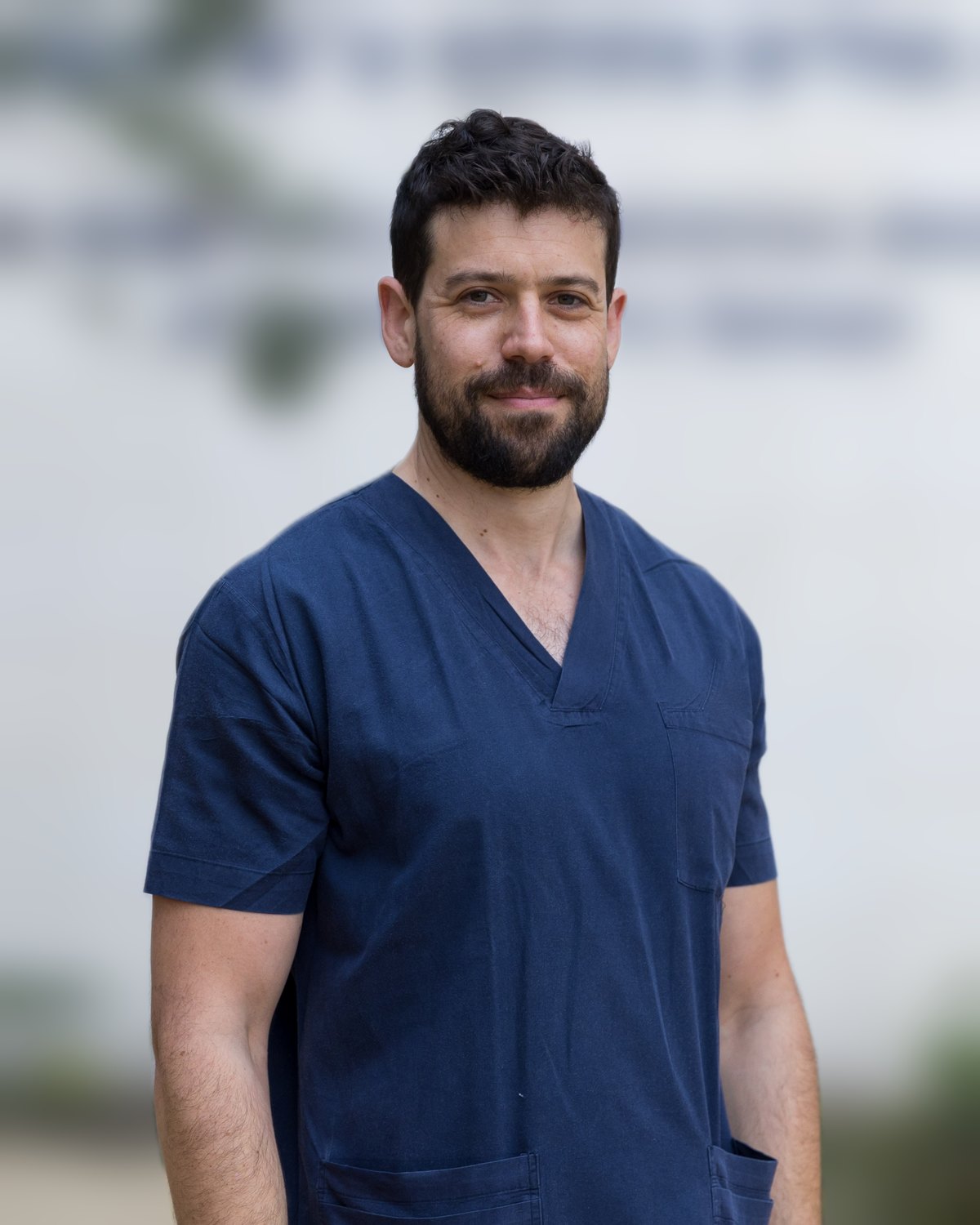
- Attending, Pediatric Orthopaedics and Sports UnitSchneider Children's Medical Center of Israel
- Pediatric Orthopaedic FellowshipNYU Langone Health, New York
- Israeli Board Certified, with HonoursOrthopaedic Surgery
- MD, Magna Cum LaudeBen-Gurion University of the Negev
From what worries parents to what sidelines athletes
Most children who see an orthopaedic surgeon don't need surgery. Much of the work is an accurate diagnosis, the right follow-up, and reassurance when it's warranted. When surgery is needed, the decision is made together with the family.
Children and teenagers
- Foot problemsFlatfoot, foot deformities and gait problems
- Limb length and alignmentBowed legs and knock knees, guided growth, limb lengthening
- Fractures in childrenCasting, fixation, and growth plate follow-up
- Limping and hip pain
- Inherited skeletal conditions
Athletes of every age and level
- Knee ligament injuriesIncluding ACL injuries in growing athletes
- MeniscusTears and discoid meniscus
- Kneecap dislocation and instabilityRehabilitation, and reconstruction for recurrent dislocation
- Osteochondritis dissecans (OCD)Knee, ankle and elbow
- Overuse and growth-related painOsgood-Schlatter, Sever's disease, other overuse injuries
- Safe return to sportWhen, how, and at what pace
Children are not small adults
A child's skeleton is still growing. That changes the diagnosis, the treatment and the follow-up.
It has a growth plateA layer of cartilage near the ends of long bones, where the bone lengthens. An injury there can affect growth years later, so fractures around it need follow-up.
It corrects itselfA child's bone can straighten part of a fracture's angle over time. That's why many fractures that would need surgery in an adult are treated in a cast in a child.
Growth can be the treatmentGuided growth corrects a deformity gradually, through a small operation, instead of cutting and fixing the bone.
Before your first visit
A first visit starts with a conversation and an exam. You leave with a clear explanation: what your child has, what the options are, and what happens next.
What to bring
- Referral and previous letters, if you have them
- X-rays and scans, with the disc or a viewing link, not only the report
- A list of medications and allergies
- For walking or sports complaints: the shoes your child wears every day
- A short list of your questions. They're easy to forget in the room
Patient information sheets
Plain-language guides for parents on fractures and sports injuries in children: what happened, how it is treated, follow-up visits, and when to seek urgent care.
The guides are currently available in Hebrew.
Information on this site is general and does not replace an examination. In an emergency, go to an urgent care centre or emergency room.
Clinical questions, answered with research
My research starts with questions that come up in treating children, and combines computational biomechanics, large clinical databases and clinical work.
- Biomechanics
Guided growth at the hip
A finite element (FEA) model of the proximal femoral growth plate, comparing screw types.
- Scoliosis
When a brace won't work
A model predicting brace treatment failure in adolescent idiopathic scoliosis.
- Upper limb
Ulnar lengthening in MHE
A Z-osteotomy technique for forearm shortening in children with multiple hereditary exostoses.
- Knee
Discoid meniscus
Features and treatment outcomes of discoid lateral meniscus in children.
Peer-reviewed publications (19)
- Mazilis BB, Glick Y, Shemesh S, Drexler M. Robotic-assisted joint replacement: what have we learned so far? Harefuah. 2025;164(4):240-244. (Hebrew) PubMed
- Simchoni M, Wagnert-Avraham L, Derazne E, Nachman D, Gershon Y, Cohen Levi E, Horesh A, Cohen Y, Nitecki M, Glick Y, Eisenkraft A. Protein kinase C epsilon activation improves early survival in an acute porcine model of controlled hemorrhage. Sci Rep. 2025;15(1):9126. PubMed
- Segal O, Mindlin S, Glick Y, Shemesh S, Atzmon R, Drexler M, Blecher R. Pretraining warm-ups and localized pain may be associated with CrossFit-related injuries: nationwide cross-sectional study. J Sports Med Phys Fitness. 2025;65(7):939-944. PubMed
- Rabotin A, Glick Y, Gelman R, Ketko I, Taran B, Fink N, Furer A. Practicing emergency medicine in the metaverse: a novel mixed reality casualty care training platform. Surg Innov. 2023. PubMed
- Zucker M, Drexler M, Kalimian T, Glick Y, Kramer M, Goldstein Y. The treatment of traumatic shoulder instability: the open approach vs. the arthroscopic approach. Harefuah. 2022;161(9):572-576. (Hebrew) PubMed
- Epstein D, Guinzburg A, Sharon S, Kiso S, Glick Y, Marcusohn E, Glass YD, Miller A, Minha S, Furer A. A noninvasive stroke volume monitoring for early detection of minimal blood loss: a pilot study. Shock. 2021;55(2):230-235. PubMed
- Tsur N, Benov A, Nadler R, Tsur AM, Glick Y, Radomislensky I, Abuhasira S, Mizrachi A, Chen J. Neck injuries: Israel Defense Forces 20 years' experience. Injury. 2021;52(2):274-280. PubMed
- Yaacobi Shilo D, Lvovsky A, Ad-El N, Levi D, Yaacobi E, Olshinka A, Glick Y, Furer A, Ad-El DD. Burns in the military setting: analyzing 12,799 routine and combat cases. J Burn Care Res. 2021;42(1):67-70. PubMed
- Glick Y, Drexler M. Factors influencing functional recovery after femoral neck fractures in the elderly. Harefuah. 2020;159(11):826-828. (Hebrew) PubMed
- Furer A, Afek A, Sommer A, Keinan-Boker L, Derazne E, Levi Z, Tzur D, Tiosano S, Shina A, Glick Y, Kark JD, Tirosh A, Twig G. Adolescent obesity and midlife cancer risk: a population-based cohort study of 2.3 million adolescents in Israel. Lancet Diabetes Endocrinol. 2020;8(3):216-225. PubMed
- Glick Y, Avital B, Oppenheimer J, Nahman D, Wagnert-Avraham L, Eisenkraft A, Dym L, Levi D, Agur A, Gustus B, Furer A. Augmenting prehospital care. BMJ Mil Health. 2020. PubMed
- Glick Y, Furer A, Glick K, Yitzhak A, Brosh T. The Israel Defense Forces point of injury antimicrobial treatment protocol: a new protocol and review of the literature. Mil Med. 2019;184(Suppl 1):78-82. PubMed
- Glick Y, Furer A, Glassberg E, Sharon R, Ankory R. Comparison of two tourniquets on a mid-thigh model: the Israeli silicone stretch and wrap tourniquet vs. the combat application tourniquet. Mil Med. 2018;183(3/4):157-161.
- Rottenstreich M, Glick Y, Gofrit ON. Chronic scrotal pain in young adults. BMC Res Notes. 2017;10(1):241. PubMed
- Halhal B, Glick Y, Galor I, Ran A, Bacon DJ, Glassberg E. Pertussis outbreak among soldiers during basic training: the need for updated protocols. Mil Med. 2017;182(S1):355-359. PubMed
- Yitzhak A, Glick Y, Benov A, Nadler R, Rappold JF, Glassberg E. The need for optimized crystalloid-based resuscitation. J Trauma Acute Care Surg. 2017;82(6S):S66-S69. PubMed
- Rottenstreich M, Glick Y, Gofrit ON. The clinical findings in young adults with acute scrotal pain. Am J Emerg Med. 2016;34(10):1931-1933. PubMed
- Glick Y, Baruch EN, Tsur AM, Berg AL, Yifrah D, Yitzhak A, et al. Extending a helping hand: a comparison of Israel Defense Forces Medical Corps humanitarian aid field hospitals. Isr Med Assoc J. 2016;18(10):581-585. PubMed
- Glick Y, Levin E, Saidel-Odes L, Schlaeffer F, Riesenberg K. Brucella melitensis bacteremia in hospitalized adult patients in southern Israel. Harefuah. 2016;155(2):88-91. (Hebrew) PubMed
Dr. Yuval Glick
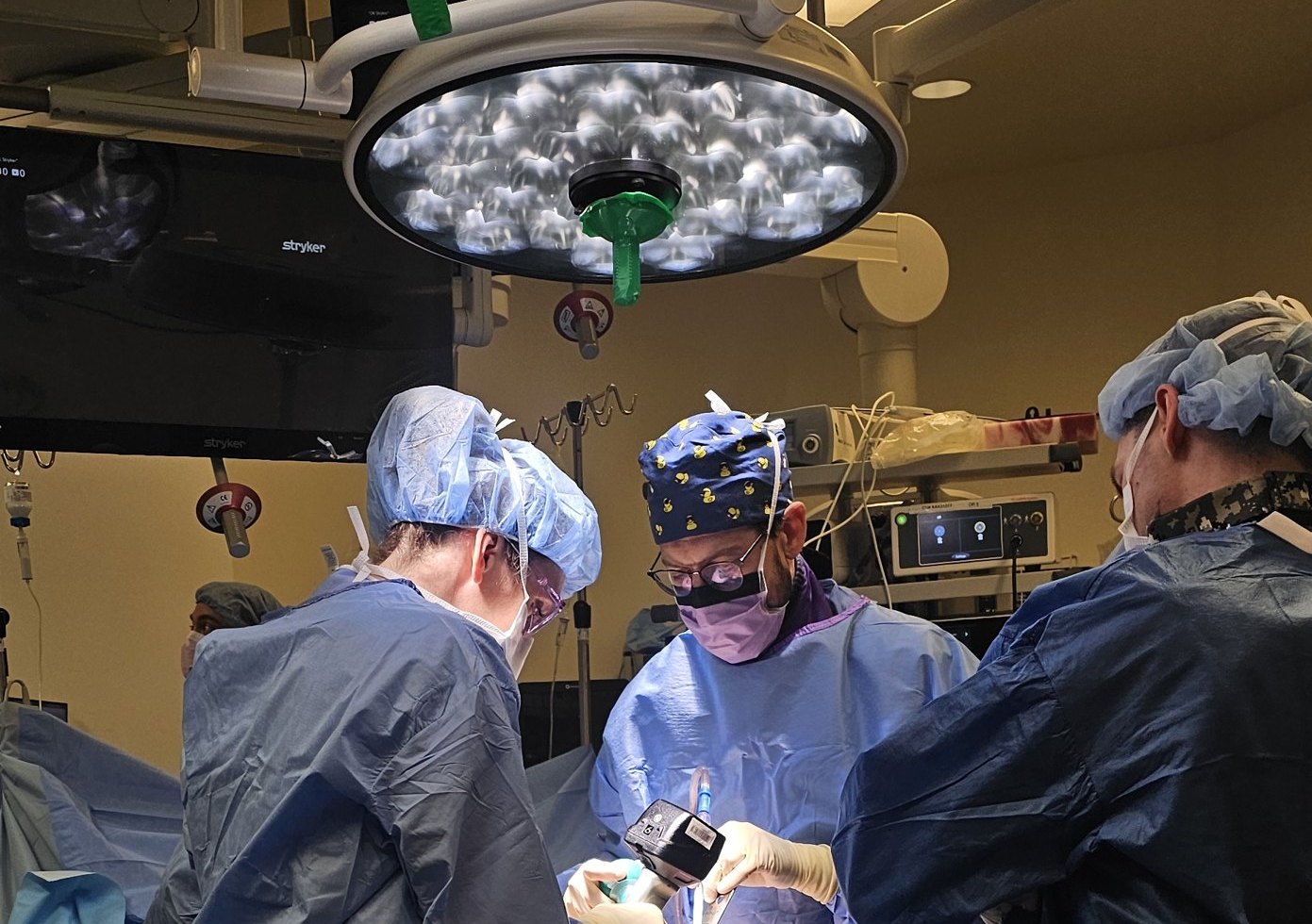
Orthopaedic surgeon and attending physician in the Department of Pediatric Orthopaedics at Schneider Children's Medical Center of Israel.
Before clinical practice I spent years in medical innovation, and it stayed with me: I like asking why we do something the way we do, and checking whether it can be done better.
- Attending, Pediatric Orthopaedics and Sports UnitSchneider Children's Medical Center of Israel
- Clinical Fellow, Pediatric Orthopaedic SurgeryNYU Langone Health, New York
- Orthopaedic Surgery ResidencyAssuta Ashdod University Hospital
- Director of Medical InformaticsTytoCare
- MD, Magna Cum LaudeBen-Gurion University of the Negev
Patient enquiries
For questions from patients and parents, and for research collaboration.
yuval@dryuvalglick.co.ilEmail is not for urgent problems. In an emergency, go to an urgent care centre or emergency room.